The post Why You’re Struggling to Burn Fat (and What to Do About It) appeared first on Nicole Holovach | Dietitian Nutritionist | Frederick, Md.
]]>In this post, we will cover what metabolic flexibility is, why it matters for fat loss, the common signs your body may not be flexible, and most importantly, what you can do to improve it.
Metabolic flexibility is your body’s ability to switch smoothly between burning carbohydrates and burning fat for fuel, depending on what is available.
If your body struggles to make this switch, you may be metabolically inflexible. That means you are stuck in one gear, often locked into burning carbs only. This leaves fat stores untouched and can create constant cravings and energy crashes.
Burning fat is not just about eating less fat. It is about whether your metabolism can access stored body fat when it needs to.
When you are metabolically flexible:
When you are metabolically inflexible:
So why do some people get stuck in carb-only mode? A few key factors are often involved.
1. Constant high-carb eating
When the diet is dominated by refined carbs and sugar, insulin is always elevated. High insulin levels make it harder for your body to unlock stored fat.
2. Low muscle mass
Muscles are a major site of fuel burning. If muscle mass is low, your body has fewer “engines” to burn both carbs and fat.
3. Chronic stress
Stress hormones like cortisol interfere with fuel switching. Stress also drains magnesium and B vitamins that are critical for energy production.
4. Poor sleep
Sleep loss makes your cells more insulin resistant, which means glucose is not used efficiently and fat burning is impaired.
5. Sedentary lifestyle
When you do not move enough, mitochondria (your cellular powerhouses) become sluggish. Fewer mitochondria mean less flexibility in fuel use.
6. Hormonal imbalances
Thyroid, estrogen, and insulin imbalances can all reduce the body’s ability to switch between fuels.
Here are some common signs and symptoms:
If these sound familiar, you may not be burning fat effectively.
The good news is that metabolic flexibility can be trained. Just like building muscle or endurance, you can build your body’s ability to switch between fuels.
Here are practical steps you can take:
1. Prioritize Protein at Every Meal
Protein stabilizes blood sugar, supports muscle mass, and provides the amino acids needed for mitochondria to function. Aim for at least 25 to 30 grams per meal.
2. Build Muscle with Resistance Training
Muscle is your metabolic engine. The more muscle you have, the more efficiently your body uses both carbs and fat. Strength training 2 to 3 times per week can dramatically improve flexibility.
3. Manage Stress
Chronic stress keeps cortisol high, which locks your metabolism in “sugar burning mode.” Daily stress management practices like walking, deep breathing, meditation, or journaling make a big difference.
4. Improve Sleep Quality
Good sleep restores insulin sensitivity and helps your body burn fat overnight. Focus on a consistent sleep schedule, getting morning sunlight, and limiting screens before bed.
5. Add Movement Throughout the Day
Do not just rely on workouts. Standing, walking, stretching, and even light activity after meals all train your body to use fuel more effectively.
6. Use Smart Nutrition Strategies
7. Optimize Micronutrients
Magnesium, B vitamins, and carnitine are essential for mitochondrial function. A nutrient-dense diet with leafy greens, seeds, and quality protein helps cover these bases.
8. Fast Strategically
Skipping breakfast just because you are not hungry is not always the best approach. Over-fasting can keep you stuck in stress mode and make fat burning harder. Find a fasting window that supports energy, not depletes it.
9. Time Your Carbohydrates
There are times of the day when we are most insulin sensitive and least sensitive. Eating carbs at the right time can improve fuel use and support better fat loss.
If you have been struggling to burn fat despite trying diets, cutting calories, or exercising more, the problem may not be willpower. It may be metabolic inflexibility.
By focusing on muscle, protein, stress, sleep, and smart nutrition, you can retrain your metabolism to become flexible again. When your body can shift between burning carbs and fats with ease, fat loss becomes natural and sustainable.
Curious where your metabolism stands right now? A free info call can give you the answers you need and a roadmap for moving forward.
The post Why You’re Struggling to Burn Fat (and What to Do About It) appeared first on Nicole Holovach | Dietitian Nutritionist | Frederick, Md.
]]>The post Encouraging GLP-1 Production appeared first on Nicole Holovach | Dietitian Nutritionist | Frederick, Md.
]]>This class of medications mimics the body’s own production of GLP-1. Yep, your gut produces its own glucagon-like peptide-1 (GLP-1). It’s a hormone that increases insulin release by the pancreas and reduces the release of glucagon, a hormone that raises blood sugar. GLP-1 also helps slow down digestion, which promotes a feeling of fullness and satiety after eating.
Let’s talk about ways to produce your own GLP-1.
We know protein and fiber both increase GLP-1 production, especially soluble fiber. But did you know hot foods also increase GLP-1 production? I loved this study that found the temperature of food to be an effective stimulus for GLP-1 secretion. Hot food temperature increased GLP-1 independent of food macronutrients (carbs, protein, and fat).
For years (maybe decades?!), I’ve talked to my clients about body warmth, hand warmth, finger warmth, and foot warmth, asking them to think about this when they eat food. I think this is a pretty good gauge of lowering stress (adrenaline creates icy hands and feet) and satiety.
Foods that rarely get this response: salads, smoothies, protein shakes, yogurt and berries, mini meals, and basically anything a dieting woman eats.
Other ways to encourage GLP-1 production? Improving bile flow and bacterial diversity in the gut. These are both concepts I work on with clients.
Eat dense, warm meals, full of protein and soluble fiber to maximize your own GLP-1. Need help planning that kind of meal?
Book a call and let’s chat! And remember, if you’re on one of these medications, working with a dietitian and lifting weights are crucial to avoid side effects!
The post Encouraging GLP-1 Production appeared first on Nicole Holovach | Dietitian Nutritionist | Frederick, Md.
]]>The post How to Lower Stress appeared first on Nicole Holovach | Dietitian Nutritionist | Frederick, Md.
]]>Stress = demands > resources
Stress is when your body doesn’t have enough resources to meet demands. Examples of resources include calories, minerals, sleep, light, and glucose (sugar) in your cells. When that happens, you literally start breaking down. Stress hormones like adrenaline and cortisol elevate to break down your VERY valuable muscle/organ/connective tissue through a process called gluconeogenesis, which converts it into glucose.
As a result, your body adapts to the elevated stress hormones by lowering the metabolic rate. A lowered metabolic rate can present as decreased thyroid function, a down regulated immune system, lower heat production, poor digestion, poor sleep, PMS, low libido, brain function, etc.
We’re never going to completely get rid of stress, but the goal is to not be in break-down mode ALL THE TIME.
So how can you protect yourself during the extra-stressful last few weeks of the year?
I emphasize blood sugar regulation for all my clients. What that means is controlling stress hormone release by preventing blood sugar spikes and dips throughout the day. You can accomplish this by eating balanced meals regularly throughout the day. Balanced means don’t cut carbs!
Please don’t fast, skip breakfast, or drink coffee on an empty stomach. I know all these supposed “health” practices are hot right now and one day I promise to write a whole post about the physiology behind why these practices can be harmful. But I really do trust that most people intuitively understand that fasting, skipping breakfast, and drinking coffee on an empty stomach are just stress on top of stress. Remember: those stress hormones feel reeeeeally good….until you crash.
For many of my most stressed-out, adrenaline-junkie clients, sipping on a Miracle Hydrating drink throughout the day lowers stress and balances blood sugar. Get the recipe in the “What’s my Secret” sidebar.
Magnesium is a notorious stress-buster. Magnesium intake is dependent on our lifestyles and is “burned” up under stress. Most people can actually FEEL it working as it relaxes muscles, increases GABA production, and activates the parasympathetic nervous system. My favorite way to get more magnesium for beginners is topically. Life Flo magnesium lotion rubbed into the feet before bed, or all over after a shower. Or make time for an Epsom salt bath a few times a week. My “extra stress-busting” recipe is 4 cups Epsom salts and 2 cups baking soda.
For those who have experience with magnesium supplements, have you tried magnesium bicarbonate water? Magnesium bicarbonate is a highly absorbable form of magnesium that restores tissue magnesium and has the least potential for digestive distress. All you need to make it is seltzer or sparkling water, plus a high quality magnesium hydroxide, like Crucial Four mMagBicarb. The result is a flat, neutral tasting water that is felt almost instantly with most people. Use the discount code WHOLEHEALTHRD for 15% off your initial order.
Thanks to my UMD intern Alyssa Briske for this B vitamin summary!
Many of the B vitamins play a role in the nervous system and stabilizing moods. Vitamins B1, B2, B3, B6 and B12 are needed in proper amounts to maintain a healthy nervous system. A strong nervous system can help fight off symptoms of stress, but the more stressed you are, the harder that your body must work to fight off stress. The more stressed you are, the more depleted vitamin stores become. Since B vitamins are water soluble, you must replenish these vitamins each day. While most people get enough B vitamins each day through diet alone, if you find yourself more stressed than usual, taking a B Complex supplement would not hurt.
It is important to look for a B Vitamin Complex, not just one, because if you are deficient in one B vitamin, you are likely deficient in one or more additional B vitamins. While each vitamin does play a different role in the body, they still work together to prevent stress in the body. Think of the B complex like a sports team, while each vitamin plays a different position, all of the positions are needed in order to win the game. The same thing occurs in the body with the B Vitamins, if one vitamin is deficient, the whole body suffers.
Whole B is a B Complex that, like the magnesium above, is felt almost instantly by most people. Whole B is unique with its probiotic-fermented B vitamins, all in the active form, making it very bioavailable. A half teaspoon in the morning in a little juice or water is a terrific way to prepare for extra stressful days.
A “castor oil pack” is castor oil applied to soft flannel or cotton and and then placed externally on specific areas of the body, depending on symptoms and need. This time-tested therapy for healing has been used for decades for good reason.
One of the ways they work is by calming the nervous system, which increases deep sleep and relaxation and can improve digestion.
There are so many videos and articles online on how to do a castor oil pack, but they can be messy and hard to stick with and do regularly. So I was thrilled to find Dr. Marisol’s Queen of the Thrones castor oil pack.
The wrap makes castor oil packs so much easier to do in real life, outside of relaxing in bed. You can watch TV with it on, sit at your computer, get up, do housework, go to bed with it on…
Castor oil packs are recommended for many disorders, with pregnancy being the only contraindication. If you’re trying to conceive, use them only until ovulation.
_____
I hope you have a healthy end of the year! If you need help implementing some of the above practices, I’d love to work with you! Beat the January rush and start your health journey now. Let’s chat.
The post How to Lower Stress appeared first on Nicole Holovach | Dietitian Nutritionist | Frederick, Md.
]]>The post Are You Confused about Health and Nutrition? appeared first on Nicole Holovach | Dietitian Nutritionist | Frederick, Md.
]]>That’s the first thing that came to mind when I heard that a professor at Harvard called coconut oil “pure poison” last week.
I almost laughed, because many in academia call out those the alternative/holistic health sphere for using words like “poison” and “toxin.”
Last summer, the American Heart Association denounced coconut oil, causing the entire internet to freak out (#Coconutgate). There were some good arguments against their conclusion (1, 2).
This post isn’t actually about coconut oil. I’m a fan in case you were wondering, but I don’t recommend you guzzle it or put it in your coffee (it’s still an oil and should be consumed in moderation). I see the fact that it’s saturated as a positive thing. Saturated means very stable – not prone to oxidation like the industrial vegetable oils the food industry wants you to eat. Humans are saturated too – we’re mammals. However, we’re becoming increasingly UNsaturated due to the Western diet (3). But that’s beside the point.
This post is about confusion. Every week, I talk to potential clients who tell me they’re confused about what to eat. Fats and oils are just a small piece of this.
It seems like there is more confusion than EVER about health, nutrition, and what to eat. Sadly, I don’t think that confusion is going away anytime soon.
There is so much information out there. But with all this information about health and nutrition at our fingertips at all times, I don’t think we’re any smarter about nutrition.
And I don’t think we’re any healthier either.
Life expectancy and fertility are decreasing. Diabetes, obesity, and cancer rates are increasing.
Keto. Vegan. Paleo. Pescatarian. Moderation. Portion Control. WAPF. USDA. Clean Eating. The list is endless.
Everyone continues to pick sides, and stay in their bubble.
Everyone uses cherry-picked research studies to support their dogmatic beliefs, and then accuses everyone else of using cherry-picked research studies to support their dogmatic beliefs.
You can support any health belief with PubMed. Really.
I think the real problem that underlies all the confusion is that the word healthy is subjective. The word healthy is often used to describe a certain body type, which many will never attain (not for lack of trying!).
Or it’s used to describe a set of lab values deemed acceptable by insurance companies, who are influenced by pharmaceutical companies. These lab values keep changing over the years (4).
What if we used the word healthy to describe a well-functioning human and we ate in a way that supported that? That might look a little different for everyone, but there are probably principles applicable to all humans. But at any rate, that’s where I see the disconnect:
Eating to attain a certain body type or lab range – at the expense of feeling good.
How about focusing on the health parameters that truly show your body is functioning properly?
There are dozens more, but these are the basic competencies of good physical function that most deserve your attention. These health parameters will tell you more about your health than your weight or any lab test. They all indicate a high metabolism – a high level of cellular energy production.
Master these and you mostly likely won’t need to worry about heart disease (5) or diabetes (6), and there’s evidence that you may not need to worry about cancer either (7, 8, 9, 10).
Master these and a healthy body composition with good strength and muscle tone will likely follow in time.
If Keto/veganism/Paleo/(insert diet of choice) is helping you meet the above parameters – that’s FANTASTIC. If you are failing in one or many of these areas, the problems you are experiencing probably are, at least in part, due to your diet and lifestyle practices.
“Since living cells are the fundamental units of all life, the basic science underlying human health and disease is the science explaining how living cells function. This basic science is cell physiology.” –Dr. Gilbert Ling
The post Are You Confused about Health and Nutrition? appeared first on Nicole Holovach | Dietitian Nutritionist | Frederick, Md.
]]>The post Milk & Dairy in Context appeared first on Nicole Holovach | Dietitian Nutritionist | Frederick, Md.
]]>I’ve been putting off writing about this topic for a while because we’re currently in a period of time where milk and dairy products are vilified foods. I’m a big proponent of the idea that ALL foods have pros and cons, and I think milk and dairy products have way more pros than cons. The inability to digest milk and dairy products is often due to additives, quality, and a person’s gut health and metabolic rate, rather than milk and dairy products being “bad foods.”
Thankfully, my intern, Nosheen Hayat, was up to the challenge! Nosheen is a dietetic intern at the National Institutes of Health and a Gates Millennium Scholar. She received her Masters of Public Health degree from the University of Michigan. She runs a private practice Hayat Nutrition in Gaithersburg, MD. I am grateful to her for tackling this tough, but timely blog post. Enjoy!
Many people (particularly in the vegan circles) make the argument that humans are the only mammals that drink another mammal’s milk and thus, it is an “unnatural” behavior. However, humans are also at the top of the food chain and the only mammals on earth that drive cars, cook their food, and use technology.
Dairy consumption has been a human practice for at least 8,000 years. In many cultures, milk is regarded as an important food and used to make butter, cheese, yogurt, and kefir.
Despite a long history of dairy being an integral component of the human diet, it has recently been vilified and alternatives such as almond, rice, and soy milk have become popular. One reason why dairy is considered an “unhealthy” food is due to its saturated fat content. Many publications since the 1950s have linked saturated fat with increased risk for heart disease; however, more recent publications are showing this may no longer be the case. Research now shows that saturated fat may not be associated with an increased incidence of cardiovascular events (1).
Milk consumption is associated with reduced risk for a number of diseases, including childhood obesity, type 2 diabetes, cardiovascular disease, stroke, colorectal cancer, bladder cancer, gastric cancer, and breast cancer; research also shows a positive effect on bone mineral density (2). While humans have been drinking milk for thousands of years, drinking plant-based milk is a new phenomenon and its consequences on health are yet unknown.
Not only is milk cheap and easily accessible for most individuals, it is also a rich source of magnesium, potassium, selenium, vitamins A, B, D, and K. It is a naturally balanced food—containing 87% water, 5% sugar (lactose), ~3.5% protein, and ~4% fat.
However, not all milk and dairy is created equal.
Grass-fed, Organic vs. Conventionally Farmed Milk
Grass-fed milk comes from cows that are allowed to graze on pasture for most of the year rather than being fed a processed diet (i.e. genetically-modified corn and soy). This method of farming creates an environment for happy, healthy cows. Grass-fed milk has a lower omega-6 to omega-3 ratio, which is important for good health and reducing inflammation in the body (3). It also has higher amounts of conjugated linoleic acids (CLA), which are associated with reduced risk for cardiovascular disease (3).
Purchasing organic milk can reduce the amount of pesticides in your milk and guarantee that the feed provided to the cows is not genetically modified. However, it does not imply that the cows your milk comes from are allowed to graze on pasture or be unconfined.
Conventionally farmed milk typically comes from cows that are fed a processed diet, consisting of soybean, corn, and other grains as well as antibiotics. Additionally, these cows are not allowed to graze on pasture and live in very unsanitary and stressful conditions.
Homogenization of Milk
The purpose of homogenization is to ensure that the fat or cream of the milk does not separate from the liquid. This is done by forcing the fat molecules through small holes or mesh at high pressure. One problem with homogenized milk includes the breakdown of casein micelles, which result in calcium phosphate soaps that can irritate the gut lining and decrease the bioavailability of calcium and phosphorus found in milk (4).
Homogenization can also introduce oxygen into the milk product, which can cause excess bloating and gas when it interacts with the bacteria in the gut of individuals with gastrointestinal issues. Lastly, homogenization can inactivate a protein called lactoferrin, which exhibits anti-bacterial properties by binding up iron and reducing its access to gut bacteria (5).
Opt for a non-homogenized milk, if possible. However, if you can’t get access to a non-homogenized milk, it’s no reason to avoid milk! Homogenized milk is still a great source of protein, minerals, and vitamins.
Pasteurization of Milk
When milk is pasteurized, it is heated to a specific temperature for a length of time and then cooled immediately. The temperatures and length of time vary based on type of pasteurization. Heat treatment is used to destroy potentially pathogenic bacteria; however, it can also inactive enzymes and reduce the percentage of nutrients found in milk.
Unpasteurized or raw milk is not heat-treated. However, raw milk is illegal in most states and difficult to find. If you live in a state that allows the sale of raw milk (i.e. California), it is important to visit the sourcing farm and see their practices to ensure cleanliness of their operations and proper care of their farm animals.
Low-pasteurized milk is heated in small batches at a lower temperature but longer period of time than regular pasteurized milk—to 145ºF for 30 minutes.
Regular pasteurized milk is heated to a temperature of 161ºF for about 15 seconds and then cooled immediately.
Ultra-pasteurized milk is heated to a minimum of 280ºF for at least two seconds. The higher temperatures kill more bacteria and ensure longer shelf-life of milk processed with ultra-pasteurization.
Pasteurization can reduce the amount of immune-modulating proteins in milk, such as lactoferrin; it can inactivate enzymes and reduce the amount of vitamin C, B6, iron, manganese, and copper (4). Ultra-pasteurization further reduces the vitamin and mineral content of the milk, cause formation of lactulose (a laxative) through lactose isomerization and Maillard reaction products, which can reduce the bioavailability of proteins and minerals in milk (4, 6).
While low pasteurization to no pasteurization is the best option, it can differ person to person depending on their digestive health. Individuals struggling with digestive issues may have symptoms of bloating, gas, and abdominal pain when drinking raw milk. These individuals may do better with a pasteurized or ultra-pasteurized milk product. Or vice versa, these same individuals may do better on raw milk or low-pasteurized milk. It is important for you to look out for symptoms after drinking milk to see if the type of milk you’re drinking is working for you.
Context of Drinking Milk
Now that we’ve discussed what to consider when purchasing milk, let’s talk about the different physiological contexts of drinking milk.
Many people cannot drink milk due to lactose intolerance, which occurs when not enough lactase (a digestive enzyme that breaks down the sugar lactose) is produced. Often times, a lack of lactase production is considered “unfixable,” however, underlying issues such as hypothyroidism or a low metabolic rate can be the root cause of a lactose intolerance. Digestive enzymes and stomach acid production decreases in a hypo-metabolic state, not only because the body is now in a stress response state and shunts resources away from the rest and digest system, but also because a slower metabolic rate requires less caloric intake and therefore, less inputs to the digestive system are needed (7).
Lactose intolerance can also present itself as a symptom of underlying gastrointestinal issues, such as small intestinal bacterial overgrowth (SIBO) or irritable bowel syndrome (IBS) (8). Microbiota dysbiosis usually occurs when there is an imbalance in the number of good to bad bacteria. Good bacteria thrive off of sugars and produce useful byproducts, such as acetic acid and butyric acid, which are subsequently absorbed into the bloodstream or used to activate thyroid hormone in the gastrointestinal tract. However, bad bacteria produce an excess amount of gas, which presents itself as flatulence and bloating, when they have access to sugar molecules (i.e. dairy sugar lactose, a disaccharide). And they subsequently suppress the growth of good bacteria by reducing their access to nutrients as well as over-proliferating.
For individuals who may struggle with gastrointestinal issues, you can reduce the likelihood of bloating, gas, and pain with drinking milk by opting for warm over cold milk. The optimal temperature for digestive enzymes is 98.6 degrees. When we drink cold milk, we reduce the temperature of our digestive tract and reduce the effectiveness of enzymes responsible for digesting our food.
It’s also important to note that individuals who have lower metabolic rates are likely unable to convert the amino acid tryptophan in milk to a B vitamin called niacin. In individuals with high metabolic rate, tryptophan is easily converted to niacin, which is used to break down carbohydrates, protein, and fats from our meals, support liver and digestive function, and much more (9). Eating a balanced meal prior to drinking milk ensures that the tryptophan in milk is converted to niacin, as opposed to the stress hormones serotonin and melatonin (10).
Milk is a balanced food with many nutrients that can be used to support good health. For people with low metabolic rate and gastrointestinal issues, it can be difficult to consume milk. Addressing the metabolic rate and GI issues almost always results in better digestibility of milk and therefore, increased access to a great source of nutrients.
Cheese
Cheese, like milk, is a great source of nutrients. However, the problem with cheese is the excess ingredients manufacturers add to them, such as whey protein, gums, carrageenan, enzymes, GMO cultures, food coloring, and “natural” or artificial flavoring. These additives can make it difficult to digest the cheese products, which is why it’s important to look for a cheese with the least number of ingredients (9).
For example, when searching for organic ricotta cheese, look for a brand that only has skim milk, salt, and vinegar on the ingredients list. Also, look for cheeses that have animal rennet as opposed to enzymes or other types of rennet, which can be allergenic. Many European imports still make cheese the traditional way with animal rennet.
Yogurt
Individuals who struggle with hypoglycemia, a sluggish liver, or are hypo-metabolic should eat yogurt (and other fermented foods) in small quantities. Lactic acid from yogurt, when absorbed, can cause a stressful response in the body by forcing the liver to use its glycogen stores for energy to convert the lactic acid into glucose.
When consuming yogurt, choose a low-fat Greek option, which will be lower in lactic acid (because it has been strained); will have less additives; and more calcium and protein.
References
The post Milk & Dairy in Context appeared first on Nicole Holovach | Dietitian Nutritionist | Frederick, Md.
]]>The post How to Talk Rationally about Sugar appeared first on Nicole Holovach | Dietitian Nutritionist | Frederick, Md.
]]>But first, fans of the movie The Princess Bride should get a kick out of my favorite meme of all time:
There is a lot of confusion and misinformation out there about sugar. When you say the word sugar to just about anyone, they envision the white granulated stuff. I see even other registered dietitians, who are arguably well-educated in food science, posting blog recipes that contain honey as being “sugar free.”
It makes me want to pull my hair out!
Let’s go over some basic food science, shall we?
Carbohydrates ALL contain sugar and can be divided into three categories:
The first two are molecularly “smaller”, and commonly referred to as “sugars” or “simple carbohydrates”:
1. MONOSACCHARIDES (single sugars): glucose (aka blood-sugar), fructose, and galactose.
2. DISACCHARIDES (contain two sugars bonded): sucrose (glucose + fructose) and lactose (glucose + galactose) are examples.
The third category are carbohydrates that are larger, and commonly referred to as “complex carbohydrates”:
3. POLYSACCHARIDES (contain many glucose molecules bonded): starch and cellulose (an insoluble fiber) are examples.
Disaccharides and polysaccharides cannot be directly used by the body and must be broken down into monosaccharides. The body helps out with the breakdown of disaccharides by producing enzymes like sucrase and lactase, and produces amylase to help breakdown starch. Unlike cows and other ruminants, humans do not produce cellulase, so we are incapable of breaking down cellulose.
That means pretty much any carb you eat that is not cellulose, is broken down into SIMPLE SUGAR.
^^^^Re-read this several times and drill it into your head so you can giggle when celebrities and bloggers go on “sugar free” diets.
So what exactly IS the much-maligned white granulated stuff? It’s merely sucrose, a disaccharide containing both glucose and fructose. Sucrose, the white granulated stuff, is also found in ripe fruit, root vegetables, and honey.
When sugar cane or sugar beets are refined by humans into the white granulated stuff, all that is left is the pure sucrose, without any of the nutrients from the plant. I’ll be referring to this product as white table sugar from here on out. It’s not a great food – it has absolutely no nutritive value other than carbohydrates – but it’s NOT THE BOOGEYMAN. It can be used wisely in the context of a nutrient-dense diet.
How did we get into this mess where people are afraid to eat fruit and where white table sugar is being compared to cocaine?
When sugar fear-mongers criticize white table sugar, you’ll see the products they’re criticizing often contain far more than just white table sugar.
Donuts: Enriched white flour, industrial oils, and sugar.
Cookies: Enriched white flour, industrial oils, and sugar.
Cake: Enriched white flour, industrial oils, and sugar.
Processed foods in general: Enriched white flour, industrial oils, and sugar.
Is sugar really the problem here?
When you read about people going “sugar free” and seeing such miraculous changes in their health, here’s what’s happening:
A.) They’re eating better. They’ve cut out all those processed foods that contain sugar, but that also contain industrial oils that can be inflammatory, and enriched white flour (starch), which can also be inflammatory. If they’re eating more whole foods, they’re likely getting a ton more micronutrients (vitamins and minerals) as well.
AND/OR
B.) They’ve gone too low carb and their body has responded by increasing stress hormones like adrenaline and cortisol. The human body is super smart. Cells need sugar (glucose) so badly, that the body has mechanisms to get it when times are tough, or when humans try something silly like purposefully going low carb. It’s called gluconeogenesis – your body will break down your own tissues (muscles, glands, skin, etc.) to produce sugar. This is a stressful, inefficient way of getting sugar into your cells to create energy.
But you know what? It feels good! Stress hormones like adrenaline and cortisol are meant to be used in emergencies. They pull blood sugar up, create instant energy, clear airways, and are anti-inflammatory. Think about Epi-pens, cortisone shots and cream, and prednisone. They’re all in the same class of hormones as adrenaline and cortisol (glucocorticoids). They make you feel better. But, even your doctor will tell you, you’re not supposed to stay on glucocorticoids long-term because of the adverse side effects.
So you go off sugar/carbs and your joints feel better, achiness goes away, allergies and rashes go away – but at what cost?
Your immune system tanks, you lose muscle and cartilage (increasing your risk of injury), and your skin starts to look like you’ve aged 10 years.
What’s the alternative? Go back to feeling like crap?
No. Teach your body how to properly deal with sugar and other carbohydrates.
I work with clients to improve their sugar (glucose) metabolism. Specifically, how to improve their liver’s ability to store glucose and improve their cellular uptake of glucose.
Want some quick, free advice? Eat more potassium-rich carbohydrates and eat at least 80g protein and a day. And DO NOT think of sugar free and low carb diets as a solution, because they’re not. They’re just a Band-Aid covering up a problem.
Want to learn more more about what I do? Schedule a free call HERE.
The post How to Talk Rationally about Sugar appeared first on Nicole Holovach | Dietitian Nutritionist | Frederick, Md.
]]>The post Cholesterol Through a Metabolism Lens appeared first on Nicole Holovach | Dietitian Nutritionist | Frederick, Md.
]]>So if cholesterol in food doesn’t cause high cholesterol, what does? While some might blame saturated fat and fructose (the latest fad), I’m going to dive in and explain to you a more in-depth, big picture view of cholesterol labs and your health.
The most important thing to know is that is that cholesterol isn’t this bad-for-you-you substance that it’s made out to be. Most people think, the lower your cholesterol, the better. If you could just get it down to zero you’d be in great shape! However, cholesterol is absolutely vital to the proper function of the human body. Your body makes cholesterol, regardless of your dietary intake, for good reason. If you had no cholesterol in your body, you would be dead! It plays an important role in digestion, Vitamin D status, hormone production and balance, and many other human body processes.
You also need to know that high cholesterol isn’t a diagnosis. It’s a symptom. Just because you have high cholesterol, doesn’t mean anything bad will happen! The words ‘high cholesterol’ inspire a feeling of dread as something akin to a death sentence. The mainstream narrative on cholesterol is that arteries are like pipes and cholesterol is like gunk. The pipes get clogged up with cholesterol, and then you have a heart attack. This is a powerful image, but it’s not accurate at all. First of all, at least half of all people who suffer a heart attack have normal cholesterol levels (1, 2). Second of all, after age 65, high cholesterol is associated with health and longevity (3). Third, plaques that “clog” arteries are actually made up of calcium and oxidized LDL particles (think rancid – more on that later), and they form under the artery wall (4). So get that vision of “clogged arteries” out of your head, and if you are a health professional, quit using those test tubes full of fat to scare people at health fairs!

Instead of looking at your high cholesterol labs with a sense of doom, let’s look at how cholesterol levels in the blood rise and when it becomes a problem.
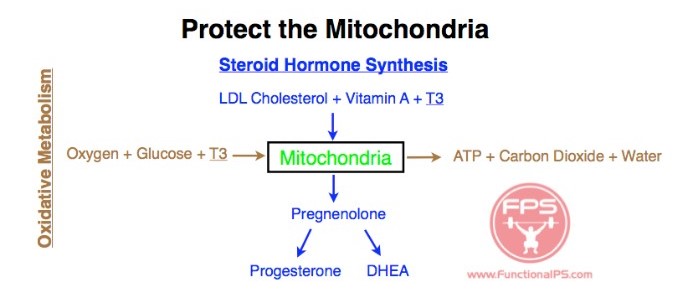
One of the basic functions of cholesterol is to stabilize the mitochondria (the energy powerhouse of the cell), preventing their destruction by stress. Anytime you’re under a stressful situation, cholesterol rises as a protective response to the stressor. Yes, you read that right: cholesterol is a protective substance! Stress also lowers intracellular magnesium, which also causes cholesterol production to increase, since magnesium regulates the enzyme that makes cholesterol (5). Stress can be anything from psychological stress like that from jobs, family, money, etc., to physiological stress like skipping meals, not getting enough sleep, and eating poorly.
In youth and those with high metabolisms (good thyroid output AND uptake of thyroid hormone by cells), cholesterol is converted inside cells into pregnenolone, DHEA, testosterone, progesterone, and other important protective hormones. You cannot make these hormones without cholesterol!
Cells need two things to make the conversion: Vitamin A in its active form and thyroid hormone. As humans get older, their ability to convert beta carotene into active Vitamin A decreases, most Americans don’t eat much active Vitamin A in their diet, and metabolism decreases. In fact, up until about 40 years ago, high cholesterol was diagnostic of hypothyroidism, and routinely treated with supplemental thyroid hormones.

So high cholesterol is a problem because you’re not making youthful, protective hormones. But it’s also a problem because cholesterol oxidizes if it hangs around in the blood stream long enough, losing its protective functions. The cholesterol — or more accurately, the lipoproteins like LDL that are carrying cholesterol — get damaged by oxidation, and then the immune system’s response to that oxidative process is what causes the buildup of plaque and then ultimately the rupture of plaque and heart attack.
So the real question everyone should be asking when it comes to atherosclerosis and heart disease is: “what causes LDL to oxidize?”
There are three main ways oxidized cholesterol builds up in your bloodstream (6):
Your doctor, and most dietitians for that matter, will tell you that polyunsaturated fats from refined vegetable oils, margarine, nuts, seeds, and other plant foods lower your cholesterol. And they’re right! But given what you just learned about cholesterol, do you really think lowering your body’s protective production of cholesterol is a good idea?! Within this framework, the effect of polyunsaturated fats is the same as the effect from statins, which come along with nasty side effects. I hope after reading this, you’ll start to understand physiologically why statins have the side effects they do, and why they’re not very helpful for most people (7).
A note about Paleo diets and fructose. Paleo bloggers and gurus have been pretty hard on fructose recently, blaming carbs and sugar for raising cholesterol. “Quit sugar and watch your cholesterol plummet!” Yup, also watch your libido and energy tank from lack of fuel for the liver and brain. Don’t fall for the low-carb trap when trying to lower your cholesterol. Fructose has pretty much been absolved of any wrongdoing in my book (8, 9).
If you have high cholesterol and your doctor is concerned, here is what I would advise:
If you want to lower your cholesterol in a physiologically-sound way, that ensures proper body function for years to come:
The post Cholesterol Through a Metabolism Lens appeared first on Nicole Holovach | Dietitian Nutritionist | Frederick, Md.
]]>The post Endocrine Support: a Local Workshop appeared first on Nicole Holovach | Dietitian Nutritionist | Frederick, Md.
]]>If you answered yes to any of these questions, I welcome you to join me for an evening of education.
I’m teaching a workshop on the endocrine system. I’ll touch on how the adrenals and thyroid interact and affect body function, and also the importance of estrogen/progesterone balance. You’ll leave with new ideas on what makes a food healthy, and learn why some mainstream views on health and nutrition may be misguided.
I’m planning on covering:
Join me and Maggie Dubois from Being on Purpose – a Wellness Lifestyle for an evening workshop focused on nutrition and natural solutions for endocrine health.
Thursday March 31st, 7-9pm
Robinwood Church
12030 Warrenfeltz Lane, Hagerstown, MD 21742
Bring a friend and bring questions! The cost is $5. You can RSVP on Facebook here, or email Nicole at WholeHealthRD dot com.
The post Endocrine Support: a Local Workshop appeared first on Nicole Holovach | Dietitian Nutritionist | Frederick, Md.
]]>The post Shifting the Focus from Weight to Function appeared first on Nicole Holovach | Dietitian Nutritionist | Frederick, Md.
]]>There is a growing number of health experts who have seen the statistics and understand the physiology of weight loss who are saying, “quit focusing on weight and focus on health.” Unfortunately, there are too many other voices crowding out that message. We live in a society where overweight and obesity are seen as issues of willpower or character. The truth is, they are just symptoms. It’s true that being overweight or obese puts you at higher risk for disease. But weight is only one of many risk factors for disease, and it’s NOT the most important one. Thin people can also be malnourished and at risk for disease. A focus on weight obscures the other risk factors and equates thinness with health.
A focus on weight instead of nutrition will lead people to adopt diets, rather than eating nutritious foods. And we know with 100% certainty that current strategies to tackle overweight and obesity, which mainly focus on cutting calories and boosting physical activity, are FAILING to help the majority of people shed weight and maintain that weight loss.
Instead of focusing on weight loss in this new year, how about focusing on the health parameters that truly show your body is functioning properly?
There are dozens more, but these are the basic competencies of good physical function that most deserve your attention. These health parameters will tell you more about your health than your weight or any lab test. They all have to do with blood sugar regulation and metabolism. Master these and a healthy weight will likely follow.
If you are failing in one or many of these areas, the problems you are experiencing probably are, at least in part, due to your diet and lifestyle practices. Focusing on weight loss WILL NOT HELP, and can make many of these problems worse.
Take your attention away from the small details of nutrition (organic! superfoods! gluten! antioxidants! fat! fiber! carbs!). I work with clients on the “big picture practices” that help the body achieve good function: eating easy-to-digest, balanced, mineral-dense meals and snacks regularly throughout the day. If you’re sick of feeling unhealthy, and want a better solution than “eat less and move more,” I’d love to work with you!
Happy New Year!
The post Shifting the Focus from Weight to Function appeared first on Nicole Holovach | Dietitian Nutritionist | Frederick, Md.
]]>The post How to Hydrate appeared first on Nicole Holovach | Dietitian Nutritionist | Frederick, Md.
]]>I’m not alone. Americans are water guzzlers, taking the “8-glasses-a-day” (or more!) mantra to heart, even though there is ZERO evidence for that often-repeated recommendation.
“Stay hydrated” and “drink more water” seem to be the cure for any health issue. Health gurus promise weight loss, clear soft skin, shiny hair, reduced appetite, and more energy. <-Yes, much of this can happen when we are properly hydrated, but drinking water is not how we stay hydrated!
Confusing? Hear me out.
Around 2/3 of the water in our bodies is contained inside our cells in intracellular fluid. The remaining 1/3 of the water in our bodies is outside of our cells in our extracellular fluid (e.g. blood, interstitial fluid, cerebrospinal fluids).
The intracellular fluid is high in potassium and low in sodium. The extracellular fluid is high in sodium and low in potassium. Remember it by thinking how salty tears are – extracellular fluid is salty (hence saline in IVs!). In order to maintain a strong cell membrane and a stable environment in the cell, the fluid on the inside of the cell and the outside of the cell must maintain those opposite electrolyte qualities.
The body is always striving to maintain a balanced, homeostatic state. That’s really what hydration is, your body being in a homeostatic, balanced state where stress hormones are not activated. It’s important that the extracellular fluid is neither too concentrated nor too diluted. Either way can start a chain reaction resulting in cellular death, which means less ATP (energy) produced and a slower metabolism.
Luckily our bodies have a pretty ingenious way to signal when we need more and less water.
Thirst and urine color.
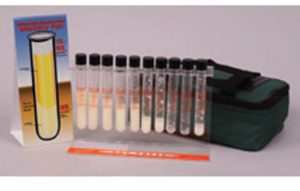
Overriding your body’s signals for more fluid (thirst) or less fluid (clear urine) is a surefire way to upset that balance and to keep the composition of the extracellular fluid dramatically different from the fluid in the cell. There is a trend I’ve noticed where people are trying to “pee clear.” I’m not sure why you would want to pee clear, as that is a stress response! Urine in the toilet bowl should be the color of lemonade, darker of course in a lab sample cup.
When I started learning more about minerals and physiology (body function), I realized all that water was basically diluting my body at a cellular level. Especially since I also eat foods that are watery, like fruits and vegetables. I have a hard time holding onto sodium and potassium (thanks for the info, mineral analysis!), and was kind of washing myself out.
Now, I drink when I’m thirsty. I drink water sometimes, but I also drink beverages that have minerals, such as mineral water, coconut water, coffee, milk, and orange juice, often with a pinch of salt. This works for my body and my metabolism.
To close, here is another perspective I found interesting, from a European with U.S. citizenship:
“It is my experience traveling with university students to Europe that many young Americans routinely over-hydrate, drinking water from Nalgene bottles, buying cold beverages any opportunity they can find and then stopping by Starbucks for a specialized coffee drink. And that is all extra to the normal meal hydration.
The biggest complaint I get from my students is the lack of free public restrooms that they are used to at home in shopping centers, stores, and fast food restaurants. When you over-hydrate, you also depend on regular rest stops. I note, for instance, that my French friends are likely to order an espresso at the same coffee shop where my students are ordering a 16-20 ounce drink.
One of the reasons for the American over-hydration is the level of propaganda they get regarding the need to drink several liters of water per day just to lose weight.”
*Note: In the elderly, the balance between sodium, potassium, and fluid is much harder to maintain. Fluid intake and nutrition in general has to be closer to ideal to keep from causing dehydration. Start monitoring NOW so you know what is optimal for you later in life.
*Note 2: Are you thirsty all the time AND peeing clear? That might actually have to do with blood sugar regulation. Come see me!
*Note 3: Has drinking copious amounts of water helped your health definitively? I’d love to hear from you! Because all I’ve seen in clients and in the general public is lots of peeing and lots of stress hormones.
Sources:
http://abcnews.go.com/Health/Wellness/waterlogged-america-drink/story?id=14054401
http://180degreehealth.com/your-body-is-mostly-water-not-exactly/
http://science.jrank.org/pages/1320/Cell-Death.html
https://chriskresser.com/the-water-myth/
The post How to Hydrate appeared first on Nicole Holovach | Dietitian Nutritionist | Frederick, Md.
]]>